
Prime Minister Shehbaz Sharif has formed an eight-member committee to review Pakistan’s liquefied petroleum gas (LPG) policy amid a substantial difference between notified and reported retail cylinder prices. The committee is to be led by the petroleum minister and is expected to report within one month of its formation.
What the proposed policy could change
One option under consideration would give state-owned companies responsibility for importing LPG and setting monthly prices, instead of the existing OGRA pricing arrangement. This is a proposal under review, not an enacted change. The prime minister is expected to consider the committee’s recommendations before a final decision.
The price gap in numbers
Reporting around October 31 placed the notified price of an 11.57kg cylinder at Rs3,296, while open-market prices ranged from Rs6,000 to Rs7,200. That represents a premium of Rs2,704 to Rs3,904 per cylinder, or approximately 82% to 118% above the notified amount.
These are reported prices at the time of the announcement, not a live nationwide retail quote. Local availability, delivery arrangements and retailer practices can affect what a household is asked to pay.
Why LPG affordability matters
LPG is an important cooking fuel for households without reliable access to piped natural gas. When cylinder prices rise, families may have to allocate more of their monthly budget to cooking energy. Small food businesses can face similar cost pressures.
The gap between a notified price and a retail price can reflect problems at different points in the supply chain. Import costs, availability, transport, storage and distribution all matter. A pricing decision alone may not resolve shortages if physical supply remains constrained.
What consumers should check
Consumers should consult OGRA’s applicable monthly notification and compare prices from authorised dealers. A cylinder’s weight and condition matter when comparing offers. LPG should be purchased and handled through safe, authorised channels; unsafe refilling or damaged cylinders can create serious hazards.
Next steps for the committee
The review is expected to consider how imports, pricing and distribution can support affordable and reliable supply. Its effectiveness will depend on the final policy, implementation arrangements and enforcement. Until an official change is announced, the existing regulatory framework remains the relevant reference for notified prices.
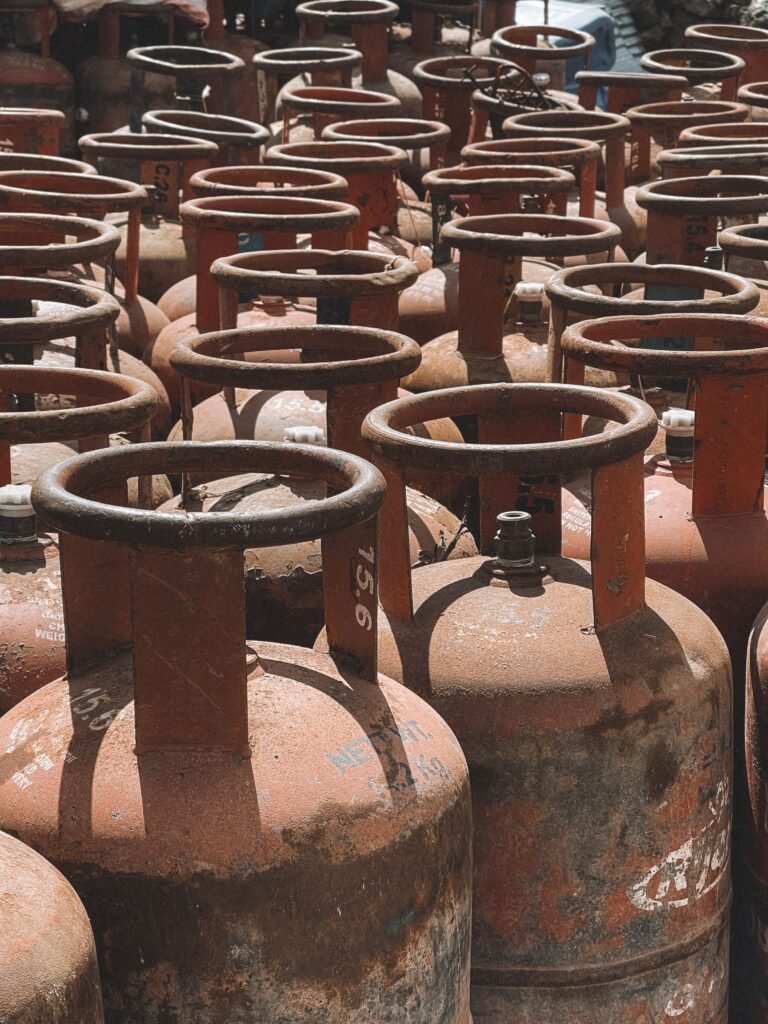
Photo: Marina Zvada via Pexels. This image is illustrative and is not a photo of the committee or any LPG event.